

Congratulations to REEF surveyor Callie Mack, who recently joined the Golden Hamlet Club! This notable group of highly dedicated volunteers have submitted 1,000 or more REEF surveys in contribution to the Volunteer Fish Survey Project.
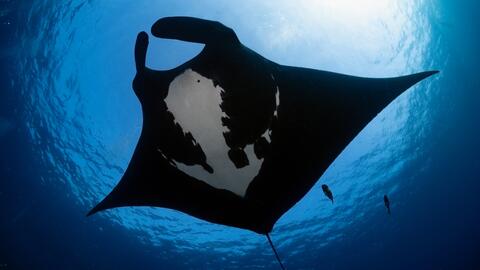
We have just a few spaces remaining on Field Survey Trips to some of the world's best dive destinations. From the incredible biodiversity of the Solomon Islands to the spectacular pelagic megafauna of Socorro, these unforgettable journeys offer something for every diver. Both liveaboards are renowned, highly experienced operators with a long-standing history of supporting our Field Survey Trips. Their expert crews, intimate knowledge of their destinations, and commitment to incredible diving make them the perfect match for these extraordinary trips.

Sometimes, making a difference for the ocean starts with getting your hands dirty.
This September, REEF interns, volunteers, and community members came together for International Coastal Cleanup Day at the Ocean Forest Restoration site in Dagny Johnson State Park. The morning was a chance to get into the field and take direct action to care for the coastal environment we all share.

Calling all educators! Applications for the 2027 REEF Educator in the Field Fellowship open October 1, 2026. This is a chance for a formal or informal educator to gain hands-on experience with ocean citizen science, with expenses covered, on a REEF Field Survey Trip.
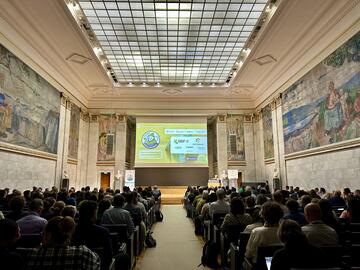
Every REEF survey tells part of the story of our ocean, and together, more than three decades of volunteer observations have created an extraordinary record of marine biodiversity. Just as important as collecting those data is making sure they remain accurate, accessible, and useful well into the future. REEF Co-Executive Director Dr.
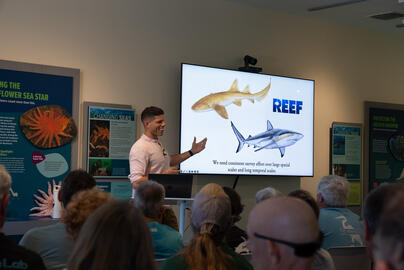
REEF Fest returns to Key Largo, Florida, October 15–18, 2026, for four days of seminars, diving, socials, and celebration. Registration is open now, and here is what you will not want to miss.
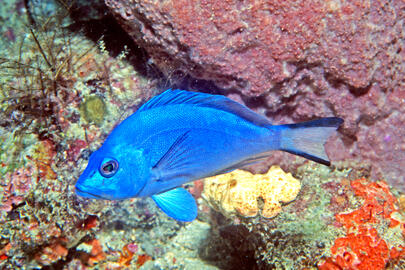
Meet our October Fish of the Month, the Blue Hamlet, Hypoplectrus gemma — a shimmering, all-blue jewel of the reef and one of the Florida Keys’ true local specialties.
Survey Regions: Blue Hamlets belong to the Tropical Western Atlantic (TWA) survey region, with a stronghold in Florida and especially the Florida Keys. REEF surveyors log them most reliably here, which makes every sighting a point of pride for Keys divers.
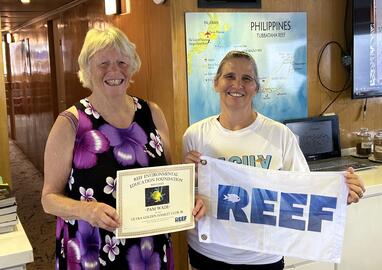
Welcome to the Citizen Science Corner, our quarterly feature to celebrate those who recently reached a milestone in our Volunteer Fish Survey Project. Here are achievements from July, August and September 2026.
Ultra Golden Hamlet Award
The Ultra Golden Hamlet Award is for individuals who have conducted at least 2000 surveys. Congratulations to our newest achiever! Click here to see other Ultra Golden Hamlet Award achievers.
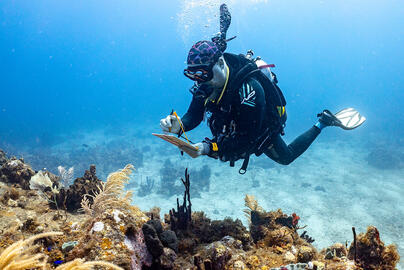
REEF Involvement and Surveying
When and how did you first volunteer with REEF or become a REEF member? How did you first hear about REEF?
My first REEF experience was a lionfish trip to Curaçao. There was one fish surveyor on the trip, who showed me the survey sheets and some DB reports on his laptop, which I immediately found interesting. I went on a survey trip to Grenada the next year, and I was pretty much hooked by the end of the trip.
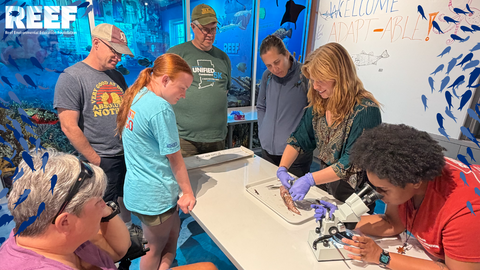
Jay Funaro, a Marine Education & Conservation Intern at REEF this summer, was drawn to REEF by the chance to work for a nonprofit while gaining experience in the varied marine ecosystems of the Florida Keys, where coral reefs meet seagrass beds, mangroves, and even the flowing grasses of the Everglades. Jay graduated from California State University, Monterey Bay, with a B.S. in marine science, became certified as an American Academy of Underwater Sciences (AAUS) scientific diver, and took part in multiple monitoring projects while cultivating a passion for public engagement.