
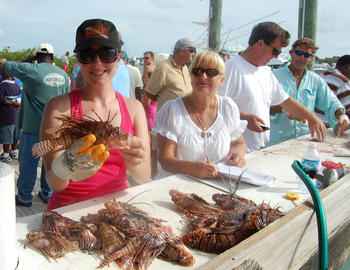
Our Invasive Lionfish Research Program is keeping busy getting ready for the spring and summer. In addition to the tagging research in the USVI also reported in this month's E-News, we are also gearing up for a busy Lionfish Derby season. We have six derbies planned in Florida for REEF’s 2018 Lionfish Derby Series presented by Whole Foods Market®. These competitions encourage teams to collect and remove as many lionfish as possible. They are important education and outreach events, and have been shown to be quite effective in lowering local lionfish populations.
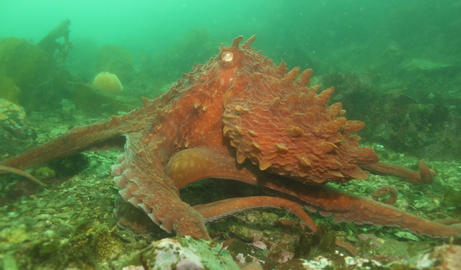
We are excited to share information on the newest publication that features data collected by REEF surveyors as part of the Volunteer Fish Survey Project - "Urbanization-related distribution patterns and habitat-use by the marine mesopredator, Giant Pacific Octopus (Enteroctopus dofleini)", published last month in the scientific journal Urban Ecosystems.

REEF members are at the heart of our grassroots marine conservation programs. Over 60,000 divers, snorkelers, students, and armchair naturalists stand behind our mission.
This month we highlight Marjorie Davis, member since 2013. Marjorie has conducted 56 surveys. She lives and dives in Florida and she is a Level 3 Advanced surveyor in the TWA region. Here's what Marjorie had to say about REEF:
Did You Know?
With the tax law changes for 2018, giving appreciated property (appreciated stocks, bonds, mutual funds, real estate, etc.) still allows a donor to avoid capital gains taxes on these outright gifts, regardless of whether they itemize deductions. And there are financial benefits for donating through an IRA, or by combining charitable gifts to various organizations to be distributed through a Donor Advised Fund. Check with your financial advisor for details.
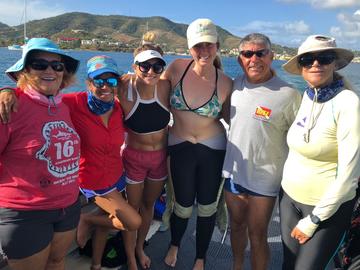
REEF, in collaboration with the University of Virgin Islands and Buck Island National Monument, took a major step last week in a novel study to better understand lionfish movement and factors that may influence that movement. The study, focusing on a 2km area of patch and continuous reef in St Croix, used innovative underwater tagging techniques pioneered by REEF to surgically implant transmitters into invasive lionfish within an array of receivers, allowing the team to pinpoint movement of the fish over the next year.
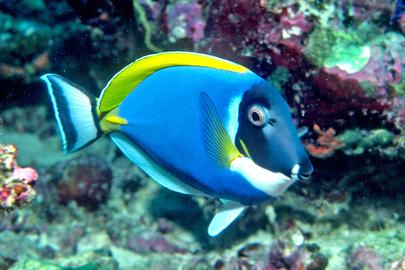
Fishinars are REEF's brand of fun, live, interactive webinars, and anyone who wants to know more about ocean life is welcome to join in. These short, free webinars will teach you the finer points of identifying fish and invertebrates underwater. In addition to marine life identification sessions for all of REEF's worldwide project areas, we also feature guest speakers who present a variety of ocean topics.
Coming up soon:
The authors, Eliza Heery and colleagues at the Seattle Aquarium, NOAA, and the University of Washington, used REEF sightings data on Giant Pacific Octopus (Enteroctopus dofleini) in Washington State to evaluate patterns of occurrence with urbanization. The species is the largest known octopus in the world, and they can reach over 20 feet in length from one tentacle tip to the other. The study objectives were to determine whether the distribution and habitat-use patterns of Giant Pacific Octopus were correlated with urbanization intensity on nearby shorelines in Puget Sound.
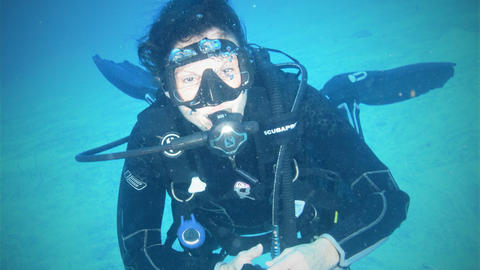
Rosette Davila cares deeply about the health of the oceans. As a supporter of REEF programs both in the water and on land, Rosette wants to make a difference. That's why she recently became part of REEF's Legacy Society through a life estate gift. When asked why she chose REEF, Rosette described a long history of diving (since 1993), where she has become increasingly alarmed with the deterioration of our oceans. In 2015 Rosette joined REEF's Lad Akins and Peter Hughes on a REEF Invasive Lionfish Research Trip to The Bahamas.
REEF members are at the heart of our grassroots marine conservation programs. Over 60,000 divers, snorkelers, students, and armchair naturalists stand behind our mission.
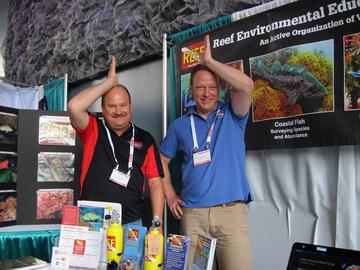
This month we highlight Gerald Winkel, member since 2009. Gerald has conducted 243 surveys. Gerald lives and dives in California and he is a Level 4 Expert surveyor in the PAC region. Gerald has represented REEF at many dive shows and festivals over the years and is an active REEF Fish ID instructor. Here's what Gerald had to say about REEF: