
Wondering how to fix a mistake on your REEF survey? It depends on whether you’ve hit the SUBMIT button.
If your survey is still listed under “Surveys In Progress” (after the address confirmation screen), you can edit it yourself. Before submitting, we suggest reviewing your photos and confirming all IDs.
If you’ve already submitted your survey, no problem! Email us with the 7-digit survey number and details about what needs to be added, changed, or deleted, and we'll be happy to get it updated for you.


Ever recognize a fish instantly, without knowing how? That intuitive sense is called GISS or Jizz - short for “general impression of size and shape.” Originating from WWII aircraft spotting and later adopted by naturalists, it describes the instinctive recognition of a species through its overall look and behavior. The term "jizz” first appeared in an Irish natural history column in 1921, and is likely derived from the German word gestalt, meaning a complete shape or form. It's often used in birdwatching.
On average, more than 1,000 REEF surveys are submitted each month by volunteer divers worldwide, adding to the world’s most comprehensive marine fish biodiversity database. Since January 2024, 22,665 surveys have been submitted by 1,226 REEF volunteer surveyors.
In 2025, we’ve received several exciting new data requests from researchers using REEF data for important studies, including:
• North Carolina State University: studying South Atlantic marine life.
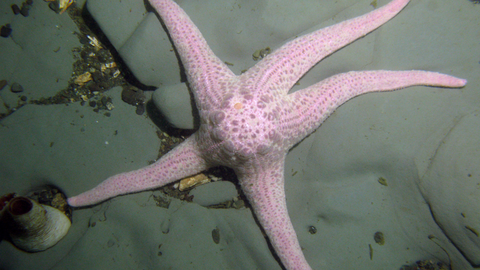
• Simon Fraser University: tracking Spiny Pink Sea Star trends in British Columbia.
At REEF, every survey you submit adds vital data to marine conservation, and we love celebrating your contributions! As you reach key milestones in the Volunteer Fish Survey Project, you’ll receive recognition along the way:
• 100 Surveys: Congrats email and printable certificate.
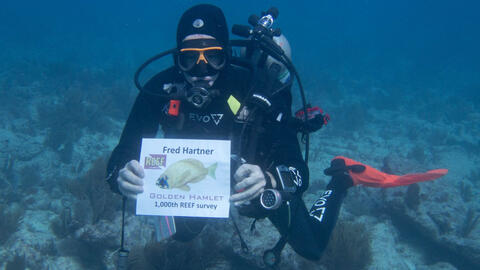
• 500 Surveys - Juvenile Golden Hamlet: Mailed certificate, webpage listing, and social media shoutout.
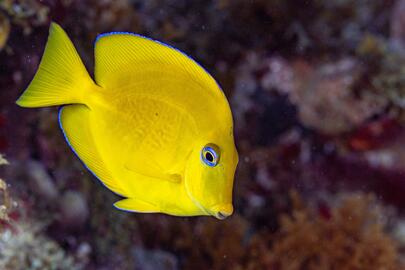
Meet our June Fish of the Month, the Blue Tang, Acanthurus coeruleus — a Caribbean reef icon with one of the most dramatic color changes in the tropical Western Atlantic. The juvenile pictured above is a vivid lemon yellow; the adult it will grow into is deep blue. Same fish, two completely different looks.
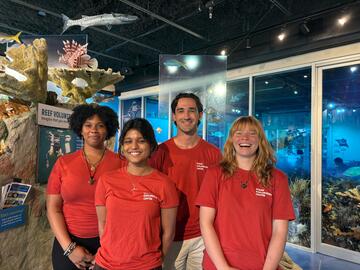
We are excited to welcome our Summer 2026 Marine Education & Conservation Interns to REEF! They will assist with education, outreach, events, and more at the REEF Ocean Exploration Center in Key Largo and in the field. Since 1993, more than 150 young adults have interned with REEF and transitioned into careers all over the world, in the marine conservation field and beyond. Please join us in welcoming Will, Nevaeh, Navya, and Jay. Here’s some more about them:
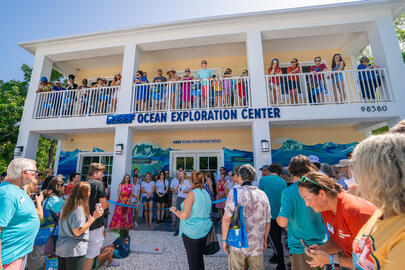
One year ago, on June 7–8, 2025, we opened the doors to the REEF Ocean Exploration Center in Key Largo. Timed to World Oceans Day, the grand opening marked the start of a new chapter for REEF. The Ocean Exploration Center is a free, public space designed to spark curiosity about the ocean, advance citizen science, and equip visitors of all ages to become stewards of our blue planet. Twelve months in, we’re looking back on what the Center has made possible and thanking the community that made it real.

Race Week is June 7–13, 2026, and registration closes June 15 — or as soon as shirt supplies run out, whichever comes first. If you’ve been meaning to sign up, this is the moment.

Mark your calendar! We have two upcoming Fishinars, REEF’s free online fish ID webinars, both led by REEF’s Field Survey Trips Program Manager and fish enthusiast Stacey Henderson. Whether you’re prepping for your next dive trip or just curious about life beneath the surface, these sessions are a great way to sharpen your ID skills from anywhere.
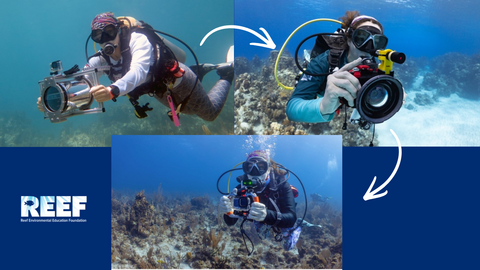
Thanks to the efforts of many REEF members and our funding partners, the SMILE (Size Matters: Innovative Lengths Estimates) Project has made progress in advancing conservation technology for fisheries science and management. Size data is a crucial component of fish population monitoring to understand trends in population size, growth, age and reproductive potential, and fishing pressure. Collecting these data is often resource-limited for fisheries managers, leading to a data gap for management and conservation.