

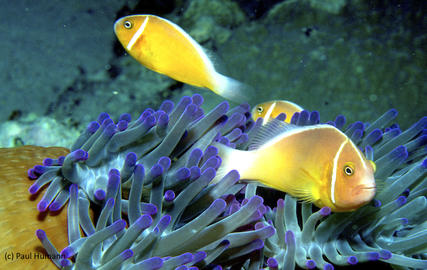
Thank you so much to everyone that donated during our summer matching campaign! We reached our goal, as REEF members donated more than $56,100 this summer to fund our critical programs. These donations were matched dollar for dollar, up to $55,000 by the Curtis and Edith Munson Foundation, the Henry Foundation, and the Pelton Charitable Foundation. From research on Grouper Moon to controlling invasive lionfish programs and discovering new species, REEF's programs are increasing knowledge of the unknown beneath our seas!
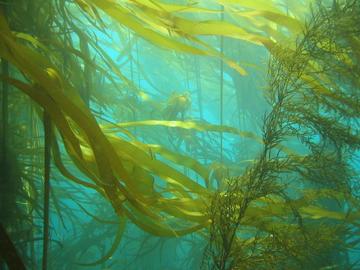
Every month, scientists, government agencies, and other groups request raw data from REEF’s Fish Survey Project database. Recent examples of data requests include:
- Staff from MacArthur State Beach Park in Florida are using REEF data to evaluate fish populations in the park.
- Researchers at SeaDoc Society and Washington Department of Fish and Game are using REEF data to evaluate Northern (Pinto) Abalone in Washington State
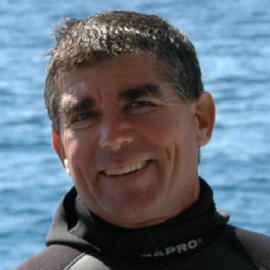
Lad Akins, a longstanding REEF staff member, who most recently served as Director of Special Projects, is no longer with REEF. Lad was instrumental in establishing REEF as an organization, was REEF’s first Executive Director, and spearheaded work on controlling invasive lionfish in the western Atlantic. The tremendous impact he has had in marine conservation through REEF’s projects leaves a lasting legacy. We wish Lad the best in his future endeavors.
$1,184 -- Package Includes: 7 nights in Junior Suite room at the Comfort Suites Turks & Caicos, resort taxes, fees and gratuities, daily continental breakfast, and 6 days of 2-tank boat dives with Dive Provo. Please inquire for single occupancy and non-diver rates.
Please contact Doris Pfister at Caradonna to find out more and to book your space on this trip -- 1-877-295-7333 (REEF), REEF@caradonna.com
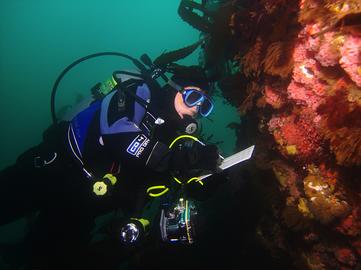
Every month, scientists, government agencies, and other groups request raw data from REEF’s Fish Survey Project database. Here is a sampling of who has asked for REEF data recently and what they are using it for:
-Researchers used data on yelloweye rockfish frequency of occurrence in the San Juan Islands in Washington to evaluate population status for the San Juan County Community Development and Planning Department.
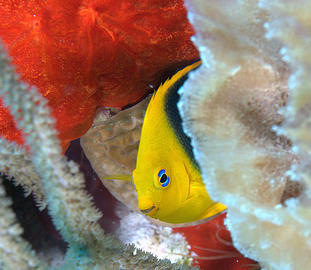
Earlier this month, for World Oceans Day, the Curtis and Edith Munson Foundation celebrated by pledging to match contributions to REEF dollar for dollar, up to $30,000! Our campaign to raise funds for protecting Nassau Grouper, controlling invasive Lionfish, and inspiring citizen science through the Volunteer Fish Survey Project is off to a great start. But we still need your help to reach our goal in the next 30 days. If you haven't yet had a chance, please contribute today.
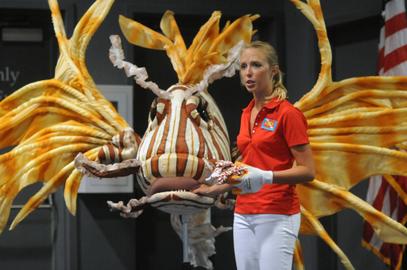
As part of our efforts to address the lionfish invasion to the western Atlantic, REEF received a grant from the US Fish and Wildlife Service Aquatic Invasive Species Program to organize and lead lionfish workshops throughout the Southeast United States. Between August and October, REEF staff Keri Kenning and Lad Akins will be traveling to more than a dozen coastal communities to present information on the lionfish invasion and hands-on demonstrations on collecting and handling.

A few weeks ago, in honor of Earth Day, REEF asked for your help in supporting our educational programs. Through classroom and field activities, these programs have inspired thousands of school children, young adults, divers, and researchers. If you haven't already made a donation, please consider making a difference in the life of a future ocean conservationist!
Contribute securely online today at www.REEF.org/contribute
Your donation will ensure that we can provide:
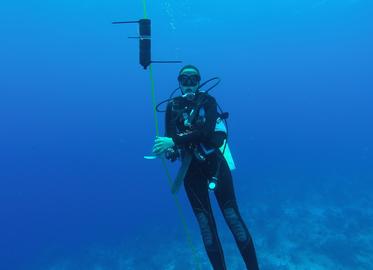
Acoustic tagging is one of the most powerful marine conservation technologies currently available. REEF uses this technology in both the Grouper Moon Project and the Invasive Lionfish Program to help determine movement, ranges, behavior, and more. But tags and receivers are expensive! We need your help in furthering REEF's valuable marine conservation initiatives by supporting the purchase and implementation of these valuable tools. You can donate securely online at www.REEF.org/contribute. Read on to learn more about these high-tech tools.