

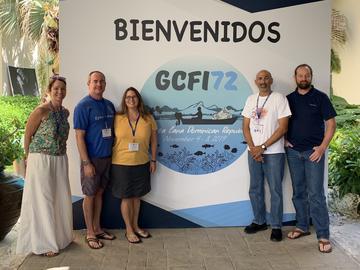
REEF staff and partners just returned from the annual Gulf and Caribbean Fisheries Institute (GCFI) conference, held this year in the Dominican Republic. REEF’s programs and data were represented to the GCFI community by REEF Director of Science, Christy Pattengill-Semmens, and REEF Invasive Species Program Manager, Alli Candelmo, as well as our partners from Scripps Institute of Oceanography (Brice Semmens), Oregon State University (Scott and Selina Heppell), and Cayman Island Department of Environment (Bradley Johnson).
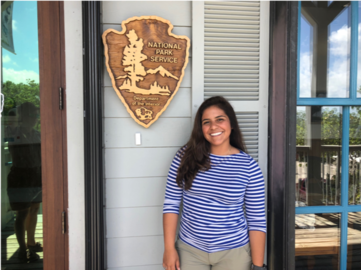
Did you know that REEF hosts twelve Marine Conservation Interns each year? This important program is vital to REEF's success and serves as a formative experience for these young adults. As a new feature in our newsletter, we will periodically check in with intern alumni to see where they are now and how their time at REEF impacted their journey. This month we visited with Laura Palomino.
When were you a REEF intern?
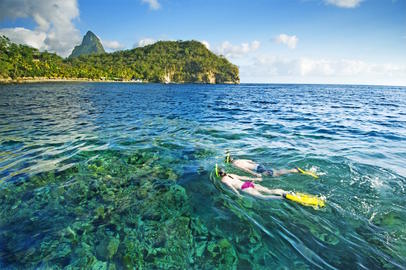
Expand your knowledge of fish id at this lovely seaside resort in the heart of beautiful St. Lucia. The entire region is a protected marine area and excellent, easily accessible beach diving is available directly in front of the resort. When not diving or snorkeling, guests can enjoy many other activities including sea kayaking, jungle biking, yoga and sailing. Anse Chastanet is an environmentally-conscious, luxury resort with plenty of amenities and delicious food, making it a great destination for REEF surveyors of all levels.

REEF is excited to introduce three new members of our staff team – Alecia Adamson, Sasha Medlen, and Janna Nichols. Their expertise and passion will help REEF continue our long-standing marine conservation programs and community outreach. They join REEF's other program staff, Lad Akins (Director of Operations) and Christy Pattengill-Semmens (Director of Science), our administrative staff, Jane Bixby (Office Manager) and Janet Bartnicki (Accounts Manager), and our volunteer Fish & Friends coordinator Nancy Perez.
Please join me this year by giving a gift to REEF this holiday season! I want to thank all those who have been so generous and have donated already. If you haven’t given yet, we are still a long way from our goal. Your donation this winter is critical so we can continue protecting marine species all year. Click here to donate now.
Examples of REEF’s important work that directly benefit marine species include:
This paper provides an updated look at non-native marine fishes that have been reported from Florida waters, following up on two previous papers (Semmens et al 2004 and Schofield et al 2009). The paper, co-authored by staff from REEF and the US Geological Survey (USGS), also provides information on Early-detection/Rapid-response (ED/ER) efforts.
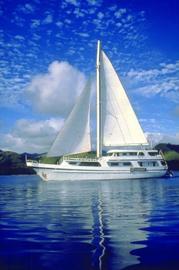
If you haven't yet booked your space on one of our 2013 REEF Field Surveys, don't delay. They are filling up fast. A last minute opening is available on the Fiji trip aboard the Nai'a liveaboard, May 11-21 - we just had a cancellation, so if you want to join REEF Founder Paul Humann, REEF Director of Science Christy Semmens, and a boat full of enthusiastic South Pacific fishwatchers, get in touch with our travel agent at Caradonna right away - 1-877-295-REEF (7333) or REEF@caradonna.com.
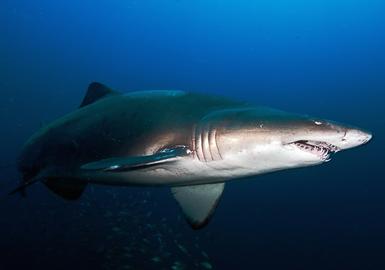
We've got lots of exciting, fun, and educational REEF Fishinars in store for you this fall - featuring your favorite instructors and special guests. Check out the full schedule at www.REEF.org/fishinars. REEF Fishinars are a free benefit of REEF membership, and did you know that REEF members can also access and view any of our archived Fishinars from previous years? Fishinars coming up include:
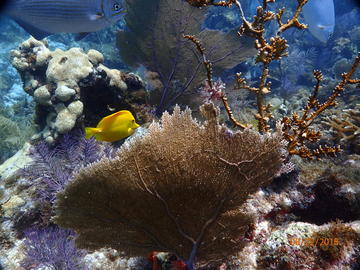
A new paper was recently published in the scientific journal, BioInvasions Records, that provides an updated look at non-native marine fishes that have been reported from Florida waters through REEF's Non-Native Species Reporting Program and other sources. The paper also provides information on Early-detection/Rapid-response (ED/RR) efforts. In addition to the well-known invasion of non-native lionfish (Pterois volitans and P. miles), there are now 39 other non-native marine fishes that have been documented in Florida.
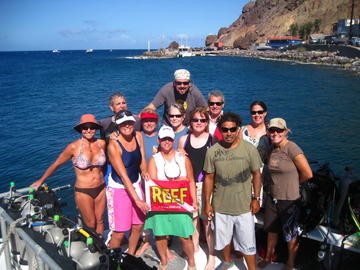
REEF Field Surveys are a great introduction to fish identification for novice fishwatchers, and are a fun way for experienced surveyors to build their life list while interacting with fellow fishwatchers. REEF staff, board members, and other REEF instructors lead these trips, and each features daily classroom seminars and a full diving schedule. Don't miss out, spaces are filling up for our 2012 trips. The schedule and more details are posted online at www.REEF.org/trips.