
At the break of dawn on July 19th, 56 ardent lionfish hunters set out to compete in the Third Annual Teeples Memorial Fort Lauderdale Lionfish Derby. The weather conditions were ideal, helping to make this derby one of the best yet. Vying for more than $3,500 in cash prizes, 14 participating teams brought in 557 lionfish to the 15th Street Fisheries dock during this sunrise to 5:00 pm event. This year’s catch broke the record for this tournament by a substantial 138 lionfish.
Current search
Search found 451 items
- INVASIVE
This popular trip returns in 2012 for the third year in a row. Reserve your space now, it will fill up quick.
$1995 - $2195 per person (depending on cabin type, double occupancy. Includes seven nights on board the Sun Dancer II, all meals and beverages (including well brands of alcohol and Belikin beer), transfers from/to Belize International Airport, five and ½ days of diving up to five dives per day, other standard Dancer Fleet services and amenities.

The highly-anticipated sequel to Disney and Pixar’s “Finding Nemo”, “Finding Dory” opened in theaters in June, and was recently announced to be the highest-grossing animated film of all time. The titular character, Dory, is a Palette Surgeonfish (Paracanthurus hepatic), who spends the film searching for her family. Native to the tropical waters of the Western Pacific Ocean (REEF’s Central Indo-Pacific and South Pacific regions), these bright blue, reef-dwelling, algae-eating fish are also referred to as Pacific Blue Tangs, Hippo Tangs, or Regal Tangs.
A tropical fish that calls the West Pacific Ocean home has been documented outside of its native range for the first time, making it Florida’s newest non-native marine fish species. A REEF member spotted a popular aquarium fish, the Onespot Rabbitfish, while scuba diving offshore of Dania Beach, Florida. Within 24 hours of receiving the sighting report, a coordinated effort by Reef Environmental Education Foundation (REEF) and the U.S. Geological Survey (USGS) led to the live-capture of the fish.
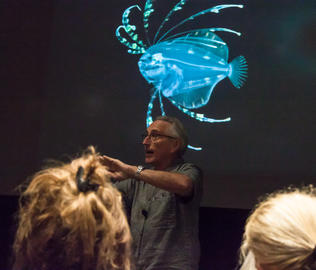
REEF Fest is less than two months away! Please join us for a four-day celebration of marine conservation that includes snorkel and dive charters, ocean-themed seminars, and social gatherings with friends. Diving and snorkeling trips are offered on the mornings of Friday, Sept 21 and Saturday, Sept. 22. Space is limited, so please register as soon as possible. There is no need to call a dive shop to participate in REEF Fest diving or snorkel trips. Instead, visit the REEF Fest Diving webpage to register online.
REEF members are the heart of our grassroots marine conservation programs. A diverse community of divers, snorkelers, and ocean enthusiasts support our mission to conserve marine environments worldwide.
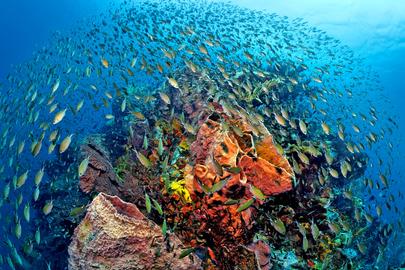
Located on St. Lucia's southwestern coast, Anse Chastanet has beautiful views of the ocean and the Pitons, two peaks rising up from the sea. The entire region is a protected marine area and excellent, easily accessible beach diving is available directly in front of the resort. When not diving or snorkeling, guests can enjoy sea kayaking, jungle biking, yoga and sailing. Anse Chastanet is an environmentally-conscious, luxury resort with plenty of amenities and delicious food, making it a great destination for divers, snorkelers, and non-diving companions.
Thanks to the support of the Guy Harvey Ocean Foundation (GHOF), Reef Environmental Education Foundation (REEF) has announced that Adam Nardelli will be the 2014 Spring REEF Guy Harvey Intern. REEF chooses 12 individuals, out of hundreds of applicants, to intern at REEF. The goal is to give future marine scientists and leaders an in-depth look at marine conservation programs, and gain critical career skills.
Divers removed 312 invasive lionfish from Florida Keys waters during the final 2011 Florida Keys Lionfish Derby event last Saturday, Nov. 5. The latest results brought the total number of lionfish removed for the year during three Florida Keys lionfish roundups to 1,518 lionfish.
$1,534 per person double occupancy - includes: lodging for 7 nights at the Sandton Kura Hulanda Lodge, rental car, breakfast each morning, 5 days of 2-tank boat dives, and all taxes and transfers.
+$200 REEF Program Fee per diver will be added to each package to cover the cost of the group leader, seminar and survey materials.
**For more information and to book your space, contact Martha at REEF Headquarters, trips@REEF.org or 305-852-0030. All proceeds will benefit REEF's Lionfish Control Studies.