
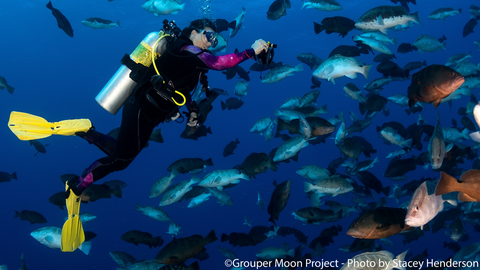
GROUPER MOON PROJECT: A LESSON IN NATURE'S SURPRISES
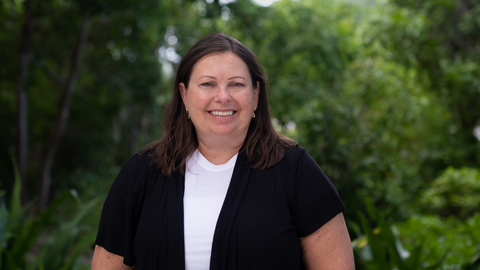
We are excited to welcome Chelsey Davis to the REEF team. Chesley is based at the REEF Campus in Key Largo, where she will be helping to lead REEF’s education team. Originally from Georgia, she received her BSA in agricultural communications from the University of Georgia. She worked with the 4-H Youth Program in Georgia and South Carolina for 17 years, where she developed, implemented, and evaluated educational programs and managed volunteers.
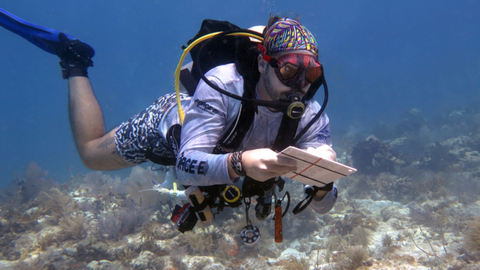
REEF is now accepting applications for the 2026 Educator in the Field Fellowship! Through the Fellowship, educators can gain hands-on marine conservation experience and tools to bring REEF programs into their classrooms and communities. One outstanding educator will join the REEFField Survey Trip to Bonaire on July 11–18, 2026. The Fellowship covers all trip inclusions plus up to $1,200 in travel reimbursement. During the Fellowship, the educator will gain experiential knowledge in fish identification, while learning about citizen science, data collection and survey methods.
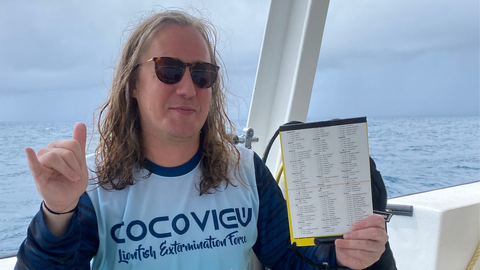
Congratulations to the 2025 REEF Educatorin the Field Fellowship recipient, Stephen Kos, a science and STEM educator for New York City Public Schools. In June, Stephen joined the REEF Field Survey Trip to Roatan, Honduras, where he learned about fish ID and citizen science, and conducted fish surveys as part of the Volunteer Fish Survey Project. He is now a Level 2 Surveyor in the Tropical Western Atlantic survey region. Way to go, Stephen!
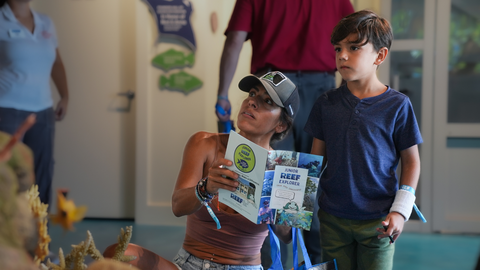
The Junior REEF Explorer program offers a fun and educational experience for kids visiting the new Ocean Exploration Center in Key Largo, FL. As they step inside, children can grab their very own Explorer Guidebook and begin an exciting journey led by Sammie the Sea Turtle, REEF’s friendly explorer mascot. The eight-page booklet is filled with interactive activities that take children on a hands-on tour through the Center’s exhibits, encouraging discovery and engagement.
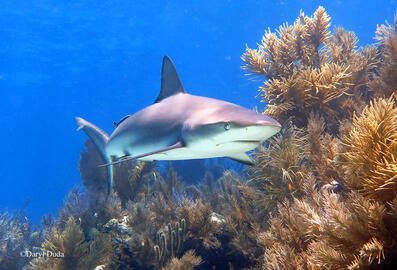
In recent decades, many shark and ray populations have declined dramatically. In the wider Caribbean, this trend became apparent in the 2000s, when researchers from Dalhousie University used REEF survey data to conduct a regional assessment of reef-associated shark sightings.
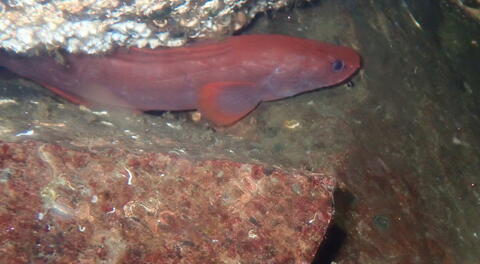
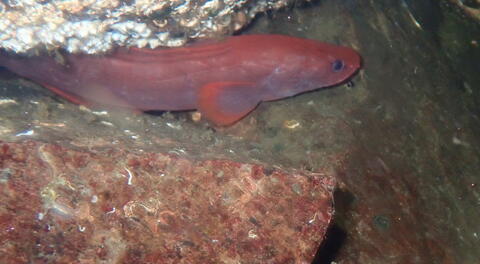
In the first 6 months of 2026, 4,937 surveys have been submitted by 446 REEF volunteer surveyors! Not only are these efforts adding to the world’s most comprehensive marine fish biodiversity database, but they also support important conservation and research objectives.
So far this year, we’ve received several exciting new data requests from researchers using REEF data for important studies, including:
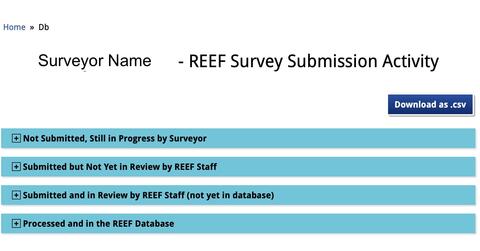
Thanks to a newer feature on the REEF website, now you can track the status of your surveys! First, log into your REEF account. Under "My Survey Log" you can see the status of your surveys. There are four categories: