
This paper explores detectability rates of lionfish using underwater visual census methods such as belt transects and stationary visual census. Knowing the error in these methods specficially for lionfish is necessary to help study this invasive species in the western Atlantic.
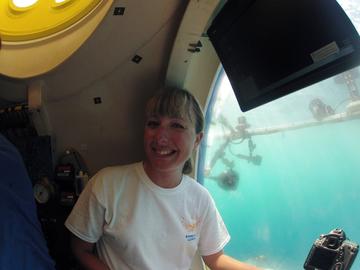
REEF's Director of Special Projects, Lad Akins, and REEF affiliate scientist Dr. Stephanie Green (Oregon State University) and REEF Advisory Panel member Dr. Steve Gittings (NOAA National Marine Sanctuaries) participated in the first submersible expedition to assess the lionfish invasion on deep marine habitats off South Florida June 27-29. While REEF and other scientists have studied lionfish in shallow habitats, the Antipodes lionfish expedition gave scientists the opportunity to learn about lionfish populations far below recreational diving limits.
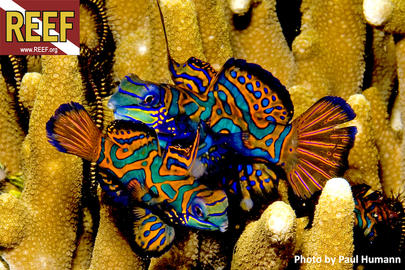
Thank you to all our members who have donated during our winter fundraising campaign! If you haven’t yet made a donation, we still need your help. Tomorrow is the last day to make a 2016 tax deductible donation. Please take a moment to contribute online at www.REEF.org/donate, mail your donation to REEF at PO Box 370246, Key Largo, FL 33037, or call us at 305-852-0030. Donors giving $250 or more will receive a limited edition, signed and numbered Paul Humann print featuring two Mandarinfish.
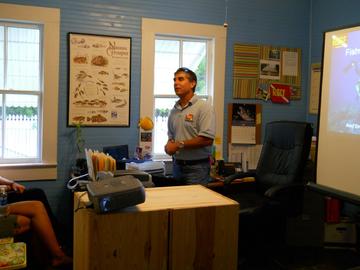
In April 2009, REEF started a monthly seminar series to give back to the community that has housed and supported REEF since our inception. REEF Fish & Friends gathers snorkelers, divers, and armchair naturalists at REEF HQ in Key Largo to learn more about fish and have some fun. The July seminar for REEF, Fish & Friends was all about the Great Annual Fish Count (GAFC).
The study, conducted by Dr. Stephanie Green (OSU/REEF), Lad Akins (REEF), and others, confirms for the first time that controlling lionfish populations in the western Atlantic Ocean can pave the way for a recovery of native fish. Even if it's one speared fish at a time, data are showing that removals can be effective. And not every lionfish need be removed…the research findings document that reducing lionfish numbers by specified amounts will allow a rapid recovery of native fish biomass.
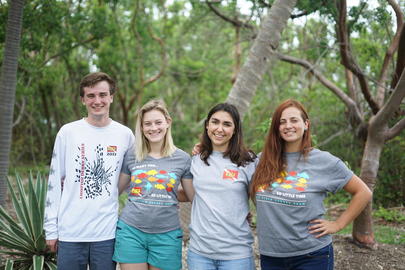
We are happy to welcome four new Marine Conservation Interns to REEF. These individuals will play a vital role in the organization by assisting with numerous summer projects including Lionfish Derbies and Ocean Explorers Summer Camp, while working to support daily office operations and other mission-oriented tasks. They will also have many opportunities to dive, conduct fish surveys, and volunteer with environmental organizations in South Florida and the Florida Keys. Each group of interns brings a unique perspective and skill set to REEF. Our Summer 2018 interns include:

As the lionfish invasion progresses throughout the Western Atlantic region, marine resource managers are struggling with lionfish control in protected areas. In the Florida Keys National Marine Sanctuary, Sanctuary managers have come up with a special permit process to allow removal of lionfish within the Sanctuary Preservation Areas (no-take zones). A critical part of the permit process is participation in a training and handling workshop conducted by REEF. To date, over 15 workshops have been held in the Keys and over 230 on the water professionals have been trained and permitted.
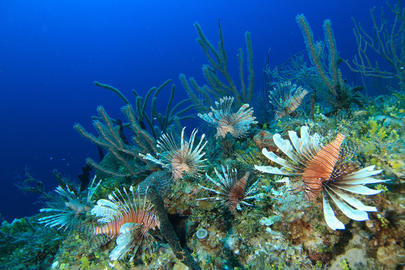
We have one week left in our summer matching campaign, and want to thank everyone who has given so far. This summer, we are highlighting all the amazing discoveries made possible by generous donations from members like you!
To make a contribution, please visit www.REEF.org/donate.