

Greetings from REEF HQ. This month we bring you highlights from our recent trip to DEMA, the dive industry trade show, where we shared results from REEF's research on Indo-Pacific Lionfish and the urgency of the threat that the invasion of this unwanted species into the Bahamas and Caribbean poses. We are also excited to announce that two REEF member, Lad Akins and Anna DeLoach, were inducted as a Platinum Pro5000 Diver by SSI. The REEF 2009 Trip schedule offers a wide array of destinations.
Welcome to another edition of our e-newsletter, REEF-in-Brief. I want to personally thank the over 600 REEF members who donated during our Fall/Winter campaign. Through your generous support, we raised over $75,000. Donations from individuals are critical to helping ensure that we can continue critical marine conservation work. If you haven't given yet, please consider a contribution to REEF today.
Happy Summer, REEF Friends. We are excited to bring you this month's issue of REEF-in-Brief. As we approach the half-way mark of our Summer Funraising Campaign, we are about 1/3 of the way towards our goal of raising $60,000. Thanks to all who have already contributed. If you haven't yet donated, please consider doing so today. Because of a generous offer from the Curtis and Edith Munson Foundation, your contribution (and your impact) with be doubled! Funds raised during this campaign will ensure that REEF is able to continue our valuable marine conservation programs.
Dear Valued REEF Members,
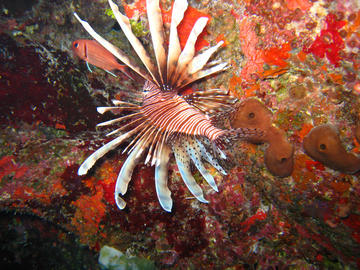
Changing Seas, an original production of Miami’s public television station WPBT2, will host a live online screening event of Alien Invaders, the series’ latest episode focusing on the lionfish invasion in the Caribbean and Western Atlantic. Alien Invaders will be screened live on the Changing Seas website (www.changingseas.tv/webcast) on Thursday, June 2nd at 7:30 p.m. EST. During the screening, dive enthusiasts will have the opportunity to join an online chat with producers and the experts featured in the program.

As part of our 2012 Field Survey trip lineup, REEF Director of Special Projects, Lad Akins, is leading Lionfish Research trips to Belize and Dominica. If you haven't checked out our 2012 REEF Field Survey trip schedule - check it out online at www.REEF.org/trips. We have an exciting list of destinations planned.
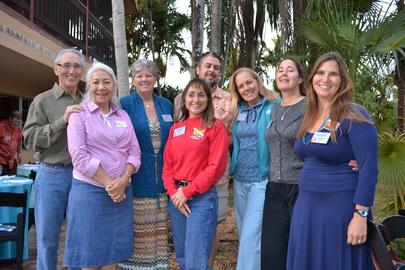
Over 100 REEF Sustainers, marine conservationists, scientists, and prominent figures in the diving industry gathered in South Florida earlier this month to commemorate REEF's successes at the biennial REEF Sustainers Event. REEF Sustainers are donors who contribute at least $1,000 a year to support REEF's programs. REEF Board of Trustees and Staff welcomed our Sustainers and other invited guests to Mango Manor, the home of esteemed underwater photographer and REEF President, Paul Humann, for a day of presentations and camaraderie.
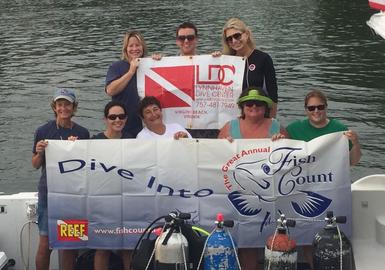
REEF’s 2016 Great Annual Fish Count (GAFC) brought together experienced and beginner fish watchers to count fish (and invertebrate) populations. Beginning fish ID classes were held, and then students were able to use their new skills out in the water during organized GAFC events. Participating groups and shops this year were based in several of REEF's regions, including the TWA, SAS, NE, CAL and PNW regions. The biggest GAFC events this year were held in our NE and California regions.
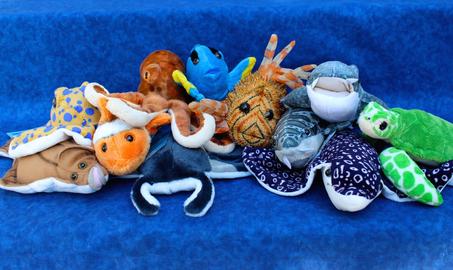
Be sure to check out the REEF online store for all of your holiday shopping needs! We have a great selection of field guide books, REEF surveying supplies, lionfish collecting gear, REEF swag, and the cutest collection of marine-themed plush animals! Shop today at www.REEF.org/store.
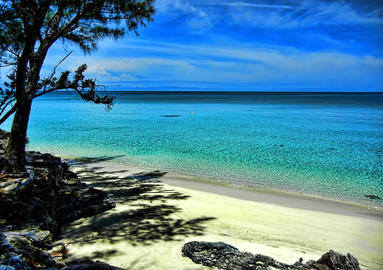
Are you a diver or snorkeler looking to make a difference in the health of our oceans? If you haven't already, we hope you will make plans to join us on a REEF Trip in 2018. We have a great lineup of trips and a few spaces remain. You will participate in our citizen science programs, dive with like-minded individuals, and learn about the marine life around you. The full 2018 schedule is online (and keep an eye out for the 2019 schedule to be released this spring).
Here are 2018 trips that still have space: