
Amy Slate's Amoray Diver resort is hosting a Lionfish collection dive!
When: Oct. 14th, 1pm (EST)
Where: Amoray Dive Resort, Key Largo FL
Contact Amoray at (305) 451-3595 or visit here to book your trip!
Amy Slate's Amoray Diver resort is hosting a Lionfish collection dive!
When: Oct. 14th, 1pm (EST)
Where: Amoray Dive Resort, Key Largo FL
Contact Amoray at (305) 451-3595 or visit here to book your trip!
For more information please visit www.reef.org/lionfish/derbies
Federal and state fisheries lift spearfishing restrictions in certain areas for REEF's lionfish derby.
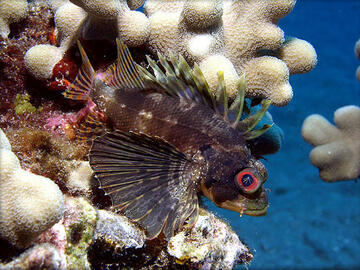
Our February Fish of the Month is the Hawaiian (Green) Lionfish, Dendrochirus barberi!
Survey Regions: Hawaiian Lionfish are endemic to the Hawaiian Islands, meaning this is the only place in the world they are found! Click here to view the REEF database report for this species in the HAW survey region.
Size: They grow to a maximum length of 6.5 inches.
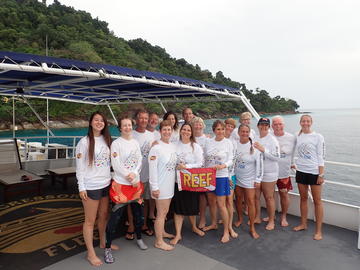
This month, REEF is proud to highlight one of our outstanding Conservation Partners: Scuba Center in Eagan, Minnesota. REEF Conservation Partners are active organizations and dive shops dedicated to protecting marine environments. As valued REEF ambassadors, they teach fish ID classes, host survey dives, organize volunteer events and more. Read on to find out how you can get involved with these centers of conservation action!
Did you know that the ocean regulates our climate, generates most of the oxygen we breathe, and is home to millions of different living creatures? On June 8, people will come together to honor and help protect our world’s oceans. Whether you live near the coast or inland, you can take part in this special day to reflect on what the ocean means to you. Here are some ways you can join REEF in celebrating World Oceans Day.
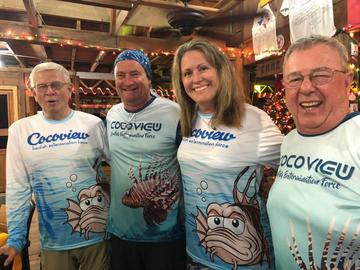
This month, REEF is proud to highlight one of our outstanding Conservation Partners: CoCo View Resort in Roatan, Honduras. REEF Conservation Partners are active organizations and dive shops dedicated to protecting marine environments. As valued REEF ambassadors, they teach fish ID classes, host survey dives, organize volunteer events and more. Read on to find out how you can get involved with these centers of conservation action!
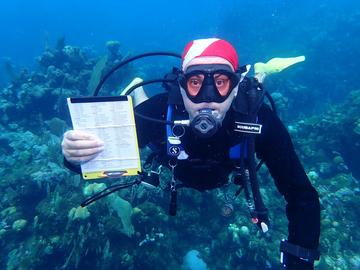
This month, REEF is proud to highlight one of our outstanding Conservation Partners: Villa on Dunbar Rock and Cabanas on Clark's Cay, sister resorts located in Guanaja, part of the Bay Islands of Honduras. REEF Conservation Partners are active organizations and dive shops dedicated to protecting marine environments. As valued REEF ambassadors, they teach fish ID classes, host survey dives, organize volunteer events and more. With more than 80 partners across the country and beyond, there are plenty of opportunities to engage.
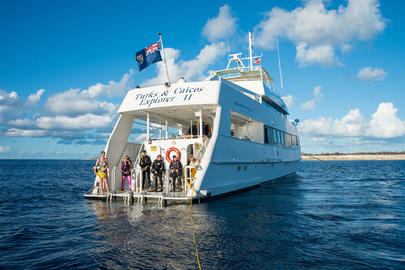
This special Lionfish Research Trip is part of REEF’s ongoing effort to monitor the establishment and consequences of invasive lionfish on native fish populations and reef ecosystems. The trip includes a unique research itinerary aboard the Turks and Caicos Explorer II to visit remote areas of the Bahamas including Mayaguana, Plana Cays, Crooked Island, Salina Point, and Castle Island. Trip participants will also have the chance to be trained in lionfish collection, handling and dissection of specimens to document prey.
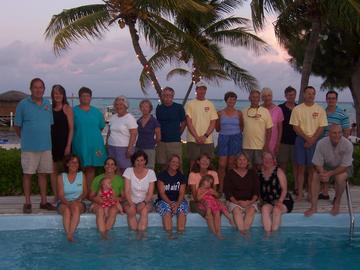
As Audrey reported in the previous article, REEF Field Surveys are more than just your average dive vacation. Not only are you joined by like-minded divers and led by dynamic experts in marine life, but the trips often include opportunities to learn more about a local culture and even participate in conservation activities or research. We already have several great destinations lined up for 2009 and are finalizing several more trips for the calendar.