

REEF is excited to introduce three new members of our staff team – Alecia Adamson, Sasha Medlen, and Janna Nichols. Their expertise and passion will help REEF continue our long-standing marine conservation programs and community outreach. They join REEF's other program staff, Lad Akins (Director of Operations) and Christy Pattengill-Semmens (Director of Science), our administrative staff, Jane Bixby (Office Manager) and Janet Bartnicki (Accounts Manager), and our volunteer Fish & Friends coordinator Nancy Perez.
Current search
Search found 451 items
- INVASIVE
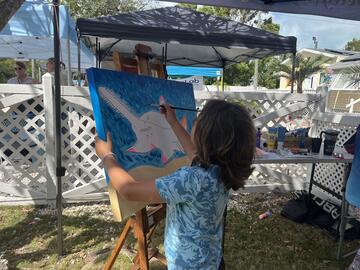
Spring has been a rewarding and productive season for the REEF Campus-based Ocean Explorers Education team! From traveling to the Florida panhandle to lend a hand with measuring fish at the world's largest lionfish derby, to attending a conservation-based music festival on the beach in south Florida, we have been spreading the word about REEF’s programs far and wide. Here are some recent education and outreach highlights.
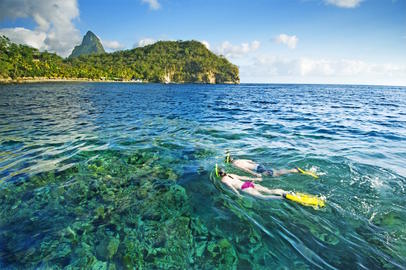
Expand your knowledge of fish id at this lovely seaside resort in the heart of beautiful St. Lucia. The entire region is a protected marine area and excellent, easily accessible beach diving is available directly in front of the resort. When not diving or snorkeling, guests can enjoy many other activities including sea kayaking, jungle biking, yoga and sailing. Anse Chastanet is an environmentally-conscious, luxury resort with plenty of amenities and delicious food, making it a great destination for REEF surveyors of all levels.
BARE Makes In-Kind Donation to REEF
Coral Restoration Foundation (CRF) and Reef Environmental Education Foundation (REEF), are working together to raise awareness about coral reef conservation in the Florida Keys. For the first time ever, the marine conservation groups will host a special event, “Coral In and Lionfish Out,” to engage the public and raise funds for coral restoration and lionfish removal efforts in the Florida Keys.
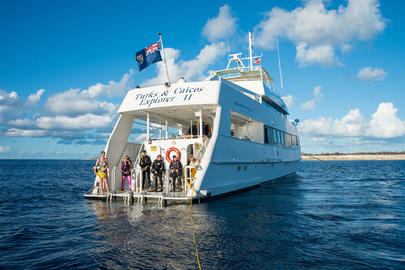
This special Lionfish Research Trip is part of REEF’s ongoing effort to monitor the establishment and consequences of invasive lionfish on native fish populations and reef ecosystems. The trip includes a unique research itinerary aboard the Turks and Caicos Explorer II to visit remote areas of the Bahamas including Mayaguana, Plana Cays, Crooked Island, Salina Point, and Castle Island. Trip participants will also have the chance to be trained in lionfish collection, handling and dissection of specimens to document prey.
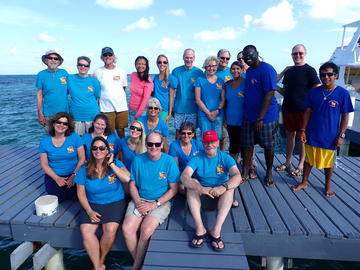
In 2018, REEF will visit a vast array of tropical and temperate dive destinations, from the Caribbean, to the Pacific Northwest, and beyond! These Field Survey Trips offer a great introduction to fish identification for novice surveyors, and are a fun way for experienced surveyors to build their life list while interacting with fellow marine life enthusiasts. We also offer several Lionfish Research Trips each year. REEF staff, board members, and other REEF experts lead these trips, and each trip features daily educational seminars and a full diving schedule.
In the summer of 2014, recreational divers in Florida and the Bahamas will once again assemble teams, scout out hundreds of sites, sharpen their spears, ready their nets, and hone their collecting skills to prepare for yet another REEF summer lionfish derby series. Their mission: remove lionfish. Their reward: more than $3,500 in cash prizes for bringing in lionfish and the knowledge that they are helping to save native fish populations.
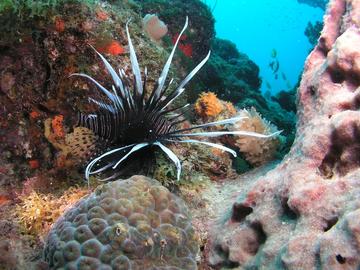
As the spread and impact of the invasive Indo-Pacific red lionfish explodes in the western Atlantic region, REEF continues to take a lead in addressing this complex environmental issue. In addition to extensive outreach and education efforts, REEF staff is involved in several field research projects to study the ecological impact of this voracious predator. REEF is also coordinating regional response efforts. In partnership with the International Coral Reef Initiative (ICRI), NOAA, Mexico and France, REEF helped fund and organize the first Regional Lionfish Strategy Workshop in August.
$2,620 per person double occupancy. Includes: lodging for 7 nights onboard the Aqua Cat luxury liveaboard in an ocean view cabin, all meals and drinks, up to 5 dives per day for 6 days and 2 dives on the last day of diving, and r/t ground transportation from Nassau Airport.
+$200 REEF Program Fee per diver will be added to each package to cover the cost of the group leader, seminar and survey materials.